From Chat to Marquee: How Gaming Streamers Are Becoming Hollywood's Hottest New Talent
The New Fame Factory Nobody Saw Coming
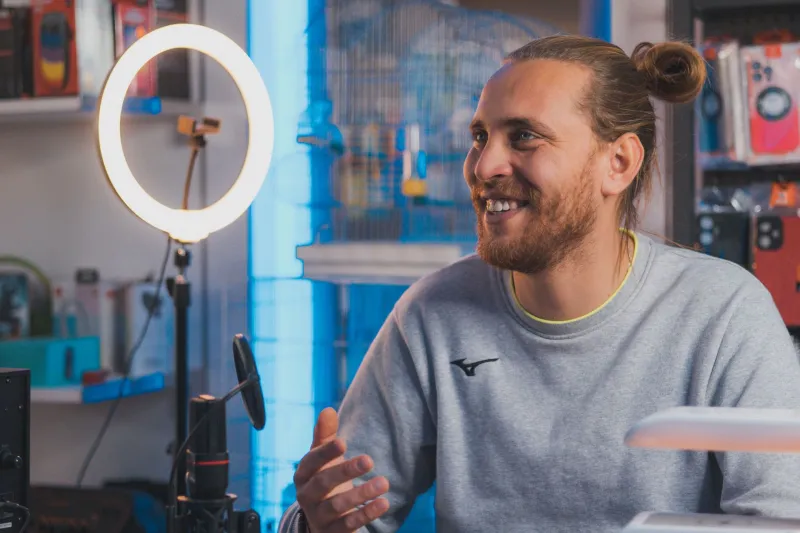
Forget talent agencies scouting mall food courts or reality show auditions. The newest pipeline feeding Hollywood with bankable stars looks a lot like a guy in a gaming chair, headset on, racking up 50,000 concurrent viewers at 2 a.m. on a Tuesday.
The streamer-to-star transition is real, it's accelerating, and if you're still dismissing it as a niche internet thing, you're already behind. Content creators who built massive audiences on Twitch, YouTube, and Discord aren't just internet famous anymore — they're landing Netflix deals, dropping albums that chart, and sitting in executive producer chairs at studios that used to wouldn't return their calls.
This isn't luck. It's infrastructure. And Hollywood is finally waking up to what gaming audiences figured out years ago.
What Traditional Celebrities Don't Have
Here's the thing that separates a streamer with 8 million followers from, say, a mid-tier actor with the same reach: depth of relationship. When you've watched someone play games live for six hours every other night, you feel like you know them. You've seen them frustrated, goofy, generous, petty, and everything in between. That's not a curated Instagram grid — that's a friendship, at least from the audience's side.
The industry term for it is parasocial relationship, and while that phrase sometimes gets thrown around like it's a bad thing, in the entertainment economy it's pure gold. Fan loyalty built through thousands of hours of live, unscripted content is a different animal than the loyalty earned through a well-produced prestige drama. Streamers don't just have fans — they have communities that show up, spend money, and evangelize on their behalf without being asked.
That's the kind of audience Hollywood spends nine figures trying to manufacture and rarely pulls off.
The Crossover Class Is Already Here
Look at the names already making the leap. Pokimane, one of the most recognizable streamers in the game, has moved steadily into brand partnerships, voice acting, and media ventures that go well beyond gaming. Ludwig signed a landmark deal with YouTube that came with production backing most traditional TV hosts would envy. Valkyrae co-founded 100 Thieves, which operates less like a gaming org and more like a full entertainment company with apparel, content, and talent management arms.
And then there's the music angle. Disguised Toast, HasanAbi, and a dozen others have leveraged their platforms to drop tracks, collaborate with signed artists, and rack up streaming numbers that labels notice. The crossover isn't always polished — sometimes it's rough around the edges — but rough-around-the-edges is exactly what younger audiences tend to trust more than a perfectly packaged debut single.
MrBeast is maybe the clearest case study. He built a YouTube empire on high-concept stunts and giveaways, and now he's producing a game show for Amazon Prime that the company is treating as a tentpole release. That's not a cameo. That's a seat at the table.
Why Studios Are Finally Treating Platforms Like Talent Farms
For a long time, traditional entertainment gatekeepers kept gaming platforms at arm's length. The thinking was that internet fame didn't translate — that audiences wouldn't show up to a movie theater or a streaming service just because someone was huge on Twitch. That assumption has been thoroughly dismantled.
The numbers changed the conversation. When a creator can pull a million viewers for a live event, sustain a Discord server of 300,000 active members, and sell out a merchandise drop in 20 minutes, that's not a fluke — that's a proven audience. Studios have started treating that data the way they'd treat a box office track record.
Netflix, Amazon, and Hulu have all made moves to tap creator talent in the last couple of years, either through direct deals, co-productions, or acquisition of creator-founded companies. Traditional agencies like CAA and WME now have dedicated digital talent divisions that didn't exist a decade ago. The infrastructure is shifting because the money is shifting.
The Advantages Are Built In
What makes this transition work — when it works — is that streamers come pre-loaded with skills that take traditional celebrities years to develop. They're comfortable on camera without a script. They know how to read an audience in real time and adjust. They've managed their own public image, often without a PR team, navigating controversies and community drama that would level a less battle-tested personality.
They're also entrepreneurs by necessity. Most successful streamers have managed brand deals, negotiated contracts, built small businesses, and made editorial decisions about their content every single day. By the time Hollywood comes knocking, they've already been running a media operation. The learning curve that trips up a lot of athletes-turned-entertainers or musicians-turned-actors? Streamers often don't have it.
The Friction Points Are Real Too
None of this is automatic. There's a version of this story that goes sideways — the streamer who bombs at a scripted audition because improv energy doesn't translate to memorized dialogue. The creator whose community feels abandoned when they pivot too hard toward traditional media and stop streaming. The one who signs a bad deal because they didn't have the right legal representation and didn't know what they didn't know.
Audience loyalty is also conditional. Streaming communities can turn fast if they feel like a creator sold out or stopped being authentic. The parasocial relationship that's such a strength on the way up can become a liability when expectations shift. Managing that transition — staying connected to the base while expanding into new territory — is genuinely hard, and not everyone gets it right.
What Comes Next
The next five years are going to clarify a lot. Right now we're in the early innings of the streamer-to-star pipeline, and the industry is still figuring out what the rules are. Some creators will build legitimate, lasting entertainment careers. Others will peak at the crossover moment and fade. A few will go back to streaming because that's where they're happiest and most effective.
But the direction of travel is clear. Gaming platforms have become legitimate talent incubators, and the audiences they produce are real, loyal, and increasingly influential in determining what gets made and who gets famous. Hollywood didn't create this system — it's just finally showing up to participate in it.
The streamers were already building the future. The studios are just moving in now.