The Halftime Industrial Complex: Who Gets Paid Before the First Note
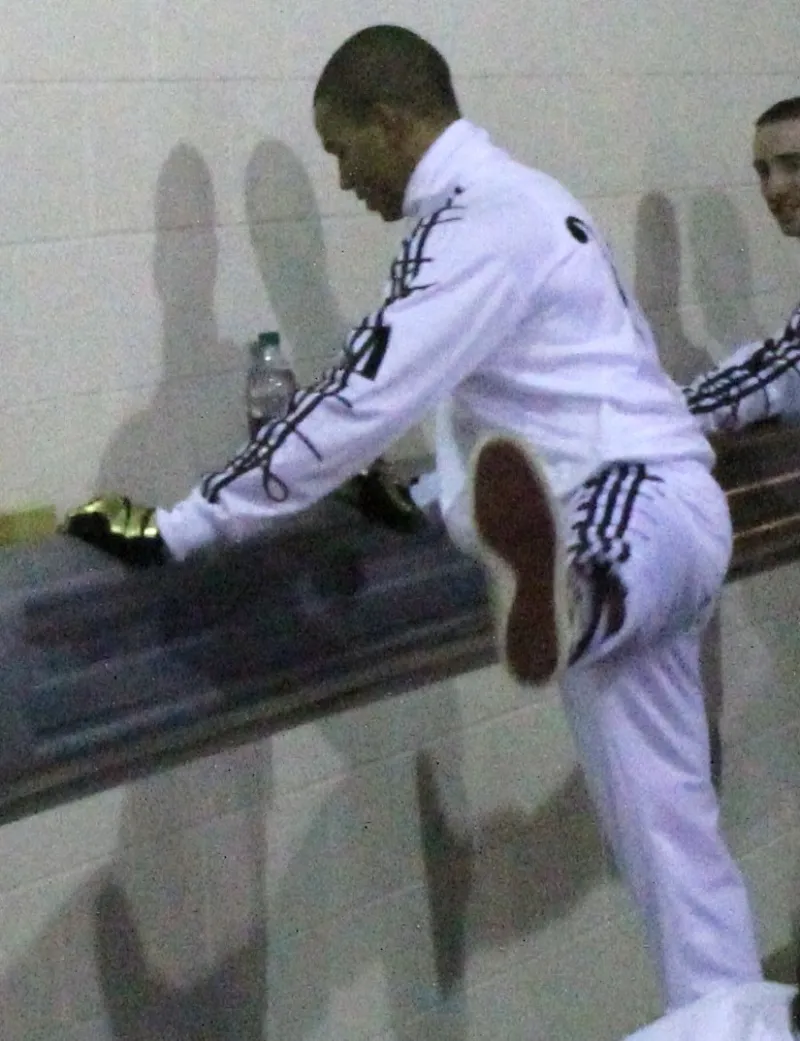
Photo: Center Grove High School Bands, CC BY-SA 2.0, via Wikimedia Commons
On a Sunday in February, roughly a hundred million people watch twelve minutes of music. By Monday, the internet has opinions. By June, the halftime show is still working. Not the performance itself — the content around it. The rehearsal footage. The sponsor cutdowns. The playlist spike. The making-of documentary that nobody asked for but everybody watches. The halftime show has become a year-round machine, and in 2026 the machine is more polished than ever.
The Calendar Is the Product
Most fans think the halftime show starts when the lights go down and ends when the confetti cannons fire. In reality, it starts in the fall, when the league and its broadcast partner begin teasing the announcement. That tease is content. The artist confirmation is content. The first rehearsal photo is content. The set list rumor is content. The game-week press conference is content. The performance is the tentpole, but the tent is built months in advance.
The modern halftime cycle looks like this: announcement in late summer or early fall, sponsor integration through the fall, rehearsal content in January, game-week saturation, the twelve-minute set, then a post-show tail that runs for weeks. Each phase has an owner. The league owns the property. The network owns the broadcast. The sponsor owns the association. The artist's team owns the catalog. The production company owns the reel. The platforms own the clips. Everybody gets a slice.
Follow the Money and the Clip Rights
The artist's fee is often not the point. The real payday is the catalog bump. A halftime set can send a decade-old song back into the streaming top ten, sell out a tour, and move merch for months. The performance is a trailer for the broader product: the artist's back catalogue. That is why established acts fight for the slot even when the direct compensation is modest. They are not buying twelve minutes. They are buying a global ad for their entire career.
The league, meanwhile, is selling something else: cultural relevance. The halftime show is one of the few live events that still gathers a mass audience in real time. That makes it valuable to sponsors who want to be associated with the moment without buying a thirty-second spot. The network gets ad inventory around the set. The production vendor gets a showcase reel. The social platforms get the clips. The artist gets the bump. The only people who often get a flat paycheck and no upside are the dancers, session musicians, and local crew who actually make the twelve minutes happen.
The Rehearsal Is Content Now
Ten years ago, rehearsal footage was a bonus. Now it is a strategic asset. The artist's team wants to control it. The league wants to monetize it. The sponsor wants to be near it. The fans want to see it. The result is a careful dance of teasers, leaks, and official drops. A grainy clip of a dancer warming up can generate more engagement than a polished promo. The halftime show has learned the same lesson as every other entertainment property: the behind-the-scenes is the scene.
That is also why secrecy has become part of the marketing. The set list is a guarded secret until the day of the show. The guest appearances are rumored but never confirmed. The staging is teased in fragments. The mystery is the content. The reveal is the payoff. The twelve minutes are the climax, but the anticipation is the business.
The Post-Show Tail
After the confetti falls, the real work begins. The performance is chopped into vertical clips, reaction videos, and outfit breakdowns. The sponsor gets a year-round association with a cultural moment. The league gets a new anchor for its highlight reel. The artist gets a fresh audience. The halftime show is one of the rare live events that keeps paying after the lights go down.
But the tail is not evenly distributed. The top-line talent and the league capture most of the long-term value. The crew gets a credit. The dancers get a line on a resume. The local stagehands get a paycheck. The machine works, but it works best for the people who already own a piece of it.
What the Twelve Minutes Actually Is
The halftime show is not really a concert anymore. It is a year-round content product with a live finale. The performance is the trailer. The calendar is the movie. The sponsor is the distributor. The artist is the star and the sales funnel. The fans are the audience and the product.
That does not make it bad. It makes it modern. The twelve minutes are still thrilling. The lights still hit. The crowd still roars. But the next time you watch a halftime show, remember that the first note was written months ago, in a conference room, by someone with a spreadsheet. The music is the point. The machine is the business.