Followers Over Fortune: Why the Next Generation of Athletes Is Betting on the Feed Instead of the Contract
There's a conversation happening in locker rooms, training facilities, and college athletic dorms across America that most sports executives still haven't fully tuned into. It goes something like this: Why would I wait three years for a brand deal when I can post a video tonight and make money by morning?
That's not hyperbole. That's the actual calculus a growing number of Gen Z athletes are running — and honestly, you can't argue with the math.
The Old Playbook Is Collecting Dust
For decades, the endorsement game worked a specific way. You performed well, got noticed, signed with an agent, and eventually — if the stars aligned — a shoe company or a sports drink brand would come calling. The whole thing was slow, gatekept, and heavily dependent on whether you played a sport that mainstream advertisers actually cared about.
That system still exists. Nike is still writing big checks. Gatorade is still splashing athletes across billboards. But here's what's changed: athletes no longer need that pipeline to build financial independence or cultural relevance. And the younger they are, the more clearly they see it.
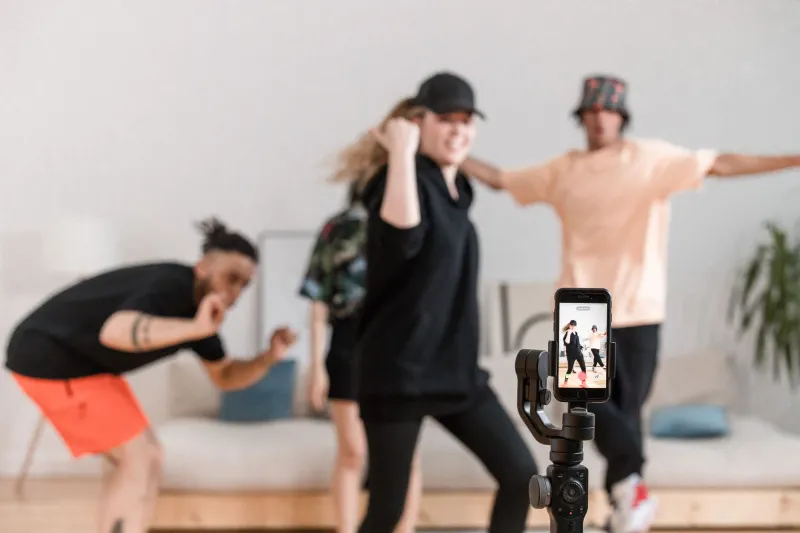
TikTok, Instagram Reels, and YouTube Shorts didn't just give athletes a place to post highlights. They handed them a publishing platform, a direct line to fans, and — crucially — a monetization engine that doesn't require anyone's permission to activate.
Real Names, Real Numbers
Let's talk specifics, because the abstract version of this story is a lot less interesting than the actual receipts.
Gymnast Livvy Dunne became one of the most followed college athletes in the country not because of her competition results — though she's legitimately elite — but because she understood TikTok's algorithm before most of her peers understood how to use it strategically. By the time NIL (Name, Image, Likeness) rules changed in 2021 and opened the door for college athletes to profit from their personal brands, Dunne already had millions of followers waiting. Brands didn't discover her. She made herself impossible to ignore.
Or look at Bronny James, who — before he ever played a professional minute — had built a social following that put him in conversations typically reserved for established stars. The name recognition obviously helps, but the digital infrastructure he built independently is its own asset, separate from whatever contract he signs.
Then there are the less obvious examples — the volleyball players, the track athletes, the women's basketball players who've built six-figure income streams through consistent short-form content in sports that historically offered minimal endorsement money. These aren't flukes. They're a pattern.
Why Brands Are Scrambling
Here's where it gets really interesting from a business perspective. Traditionally, brands held most of the leverage in athlete partnerships. They decided who was marketable, who fit their image, and how much that was worth. Athletes — especially young ones without championship rings or household names — were essentially auditioning.
That power dynamic is flipping.
When a 20-year-old soccer player has 2.3 million TikTok followers and a 6% engagement rate, she has leverage. She has a proven audience that actually responds to her content. A brand attaching itself to her isn't doing her a favor — it's buying access to a community she built. And she knows it.
Sports marketing agencies are already adapting, but the traditional endorsement deal structure is getting stress-tested in ways it wasn't designed to handle. Multi-year exclusivity clauses are harder to sell to athletes who know their digital value might triple in 18 months. Category restrictions feel limiting when you're a content creator who naturally crosses into lifestyle, fashion, gaming, and food — all in the same week.
Some brands are responding by offering equity stakes, co-creation opportunities, and longer-term creative partnerships instead of one-off campaigns. The ones still showing up with a flat fee and a logo placement requirement are finding out pretty quickly that the best young athletes have options.
The Authenticity Advantage
There's another layer to this that doesn't get talked about enough: authenticity actually converts.
Gen Z audiences — the same ones these athletes are speaking to — have finely tuned radar for content that feels forced versus content that feels real. An athlete who genuinely documents their training grind, shares their personality, and occasionally stumbles through a transition in their video is going to outperform a polished brand-approved ad almost every time.
This is partly why some athletes are walking away from certain traditional deals even when the money is solid. If the sponsorship requires them to post content that feels off-brand or inauthentic to their audience, they're calculating that the short-term payday isn't worth the long-term audience erosion. That's a level of strategic brand thinking that previous generations of athletes rarely had to apply — mostly because the concept of their own brand as a separate, valuable entity didn't really exist yet.
The Teams Are Noticing Too
It's not just corporate sponsors feeling the pressure. Sports franchises are starting to realize that a player with a massive social following is a marketing asset, not just a roster asset. Ticket sales, merchandise, viewership — all of it gets a lift when someone on your team is pulling millions of eyeballs independently.
Some teams are now factoring social presence into recruiting and drafting conversations in ways that would have seemed absurd a decade ago. And a few forward-thinking franchises have started offering content creation support — studio space, editing resources, social strategy consultation — as part of the overall package they pitch to free agents.
The message being sent, intentionally or not, is clear: we recognize that your digital presence has value, and we want to help you grow it.
What This Means Going Forward
None of this means endorsement deals are dying. The biggest contracts in sports — the headline-grabbing, nine-figure partnerships — aren't going anywhere. But the middle tier of the endorsement market, the deals that used to be the bread and butter for athletes outside the top tier of their sport, is getting completely disrupted.
Why take a modest sponsorship deal with restrictive terms when you can build something you own outright?
That's the question Gen Z athletes are answering for themselves, one post at a time. And the honest answer — for a lot of them — is that you don't have to choose. You build the audience first. Then you negotiate from a position of actual strength.
The athletes who figure that out early aren't just winning on the field. They're building something that lasts well beyond their playing days — and that's a kind of financial and cultural security the old endorsement model never really promised anyone.