The Ink Is Drying: What We Lose When Every Autograph Comes With a QR Code
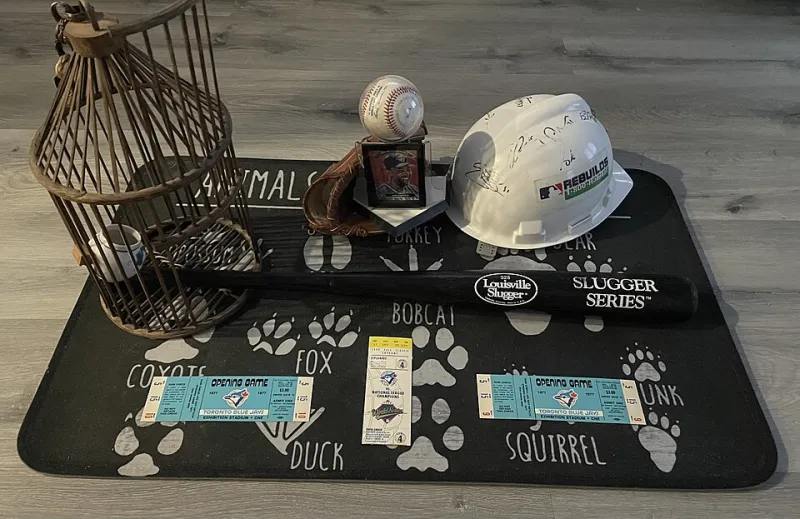
Photo: Kwokpunchan, CC BY-SA 4.0, via Wikimedia Commons
I have a baseball signed by a player I never saw play. The ink is fading. The story is not. If that ball were signed today, it would likely come with a hologram, a QR code, a database entry, and maybe a digital twin. The signature would be verified before it dried. We gain certainty. We lose something else.
The Paper Trail Becomes a Data Trail
The memorabilia business has spent the last two decades solving a simple problem: people lie. Forged signatures, fake game-used jerseys, and invented provenance have been part of the hobby since the hobby began. Authentication companies like PSA/DNA, JSA, and Beckett turned that problem into an industry. Then came the QR codes, the NFC chips, the league authentication programs, and the digital twins. The autograph stopped being just ink. It became a data point.
In 2026, the default assumption is verification. A signed jersey without a certificate is a conversation piece. A signed jersey with a certificate is an asset. The signature is still the emotional hook, but the value is in the paper trail. The autograph has become a supply-chain problem, and the supply chain is winning.
What Fans Gain
Let us be fair: the gains are real. Fraud was rampant. A kid with a Sharpie and a dream could ruin a market. Authentication protects buyers. It makes memorabilia insurable. It makes it investable. It turns a Shoebox of Stuff into a portfolio. The hobby became an asset class, and the asset class needed rules. The QR code is the rule.
There is also a practical benefit. A verified autograph is easier to sell, easier to insure, and easier to pass down. The digital twin of a game-worn jersey can live on a phone, travel across the world, and prove ownership without the physical object leaving the house. For collectors who care about provenance, this is a feature, not a bug.
What Fans Lose
The romance is the obvious casualty. The imperfect signature. The smudged ink. The story of waiting by the team bus in the rain. The kid who held the pen. The father who took the photo. The QR code does not remember any of that. It remembers a timestamp. The signature becomes a certificate of authenticity, not a memory.
There is a subtler loss, too. The autograph used to be a transaction between two people. Now it is a transaction between a buyer, a seller, a database, and a brand. The athlete signs fewer things in person and more things in controlled sessions. The rail is now a security perimeter. The encounter is managed. The signature is a product. That is good for the athlete's brand and bad for the random fan who just wanted a moment.
The Athlete's Side
Athletes are not villains here. A verified signature protects them, too. It stops forgers from cashing in on their name. It lets them partner with authenticators and control the story. It turns a free autograph into a licensed product. But it also turns a human interaction into a brand activation. The athlete becomes a signing machine. The fan becomes a customer. The moment becomes a transaction.
The best athletes find a way to keep the humanity. They still sign for kids. They still tell stories. They still make the ink feel like ink. But the system around them is pushing toward verification. The system wants data. The fans want memory. The two are not always the same.
The Future Is Scanned
The paper autograph will not disappear. It will become a premium nostalgia item, the vinyl record of memorabilia. The default will be scanned, chipped, and verified. The digital twin will be the asset. The physical object will be the artifact. The story will be the premium.
That might be fine. Trust is valuable. But I hope we do not mistake verification for meaning. A QR code can prove that a signature is real. It cannot prove that it matters. The ink is drying. The story should not.