Selling Real: How Brands Spend Millions Faking the Moments They Could've Just Let Happen
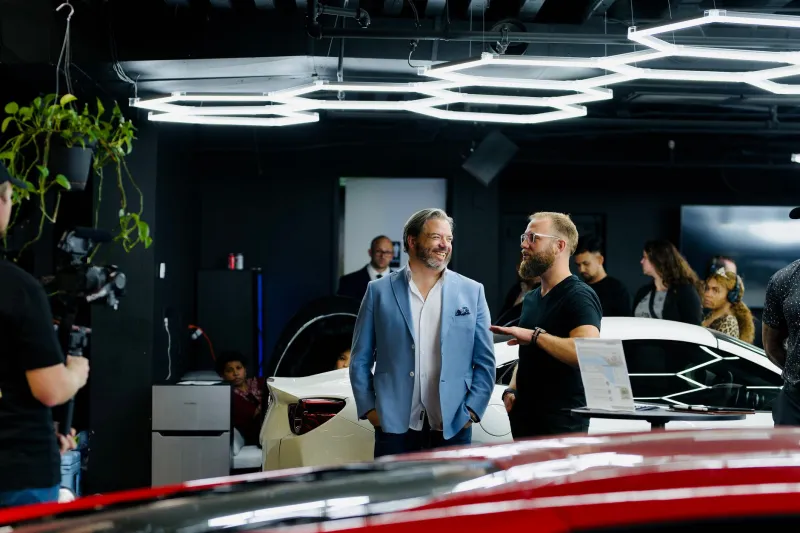
There's a specific kind of cringe that hits when you realize a moment you thought was genuine was actually storyboarded three months in advance. It's not quite anger. It's more like the feeling of biting into a piece of fruit that looks perfect on the outside and tastes like nothing at all. That's where a lot of brand marketing lives right now — beautiful, expensive, and completely hollow at the center.
The irony is almost too obvious to say out loud: the harder corporations chase authenticity, the more artificial everything becomes. But here we are, watching brands spend seven and eight figures trying to manufacture the kind of raw, human moments that — if they'd just backed off — might have happened on their own.
The Authenticity Industrial Complex
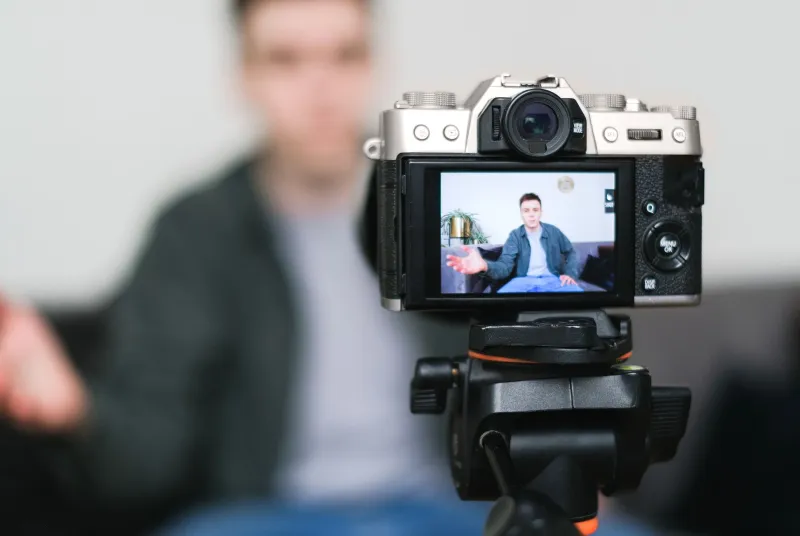
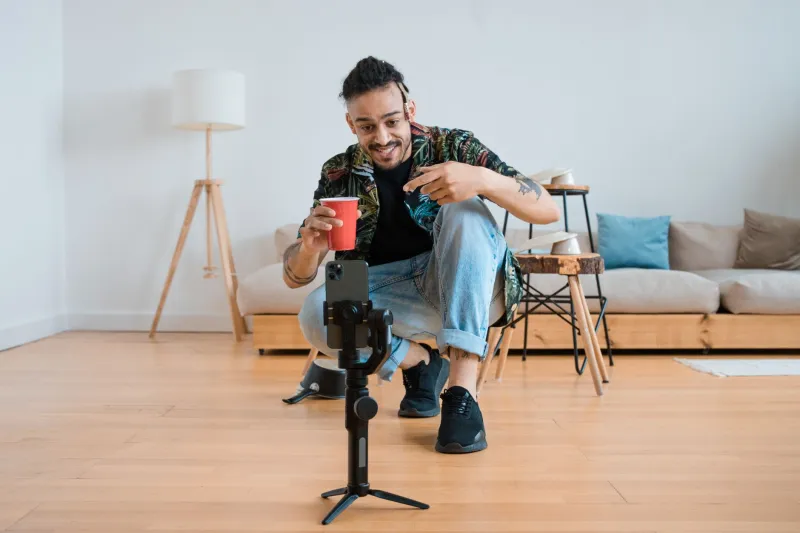
Somewhere around the mid-2010s, marketing teams figured out that polished, scripted ads were losing the culture war to user-generated content. A shaky phone video of a regular person genuinely loving a product was outperforming Super Bowl spots. The lesson should have been: let real people talk. The lesson brands actually took: hire a production crew to simulate that shaky phone video.
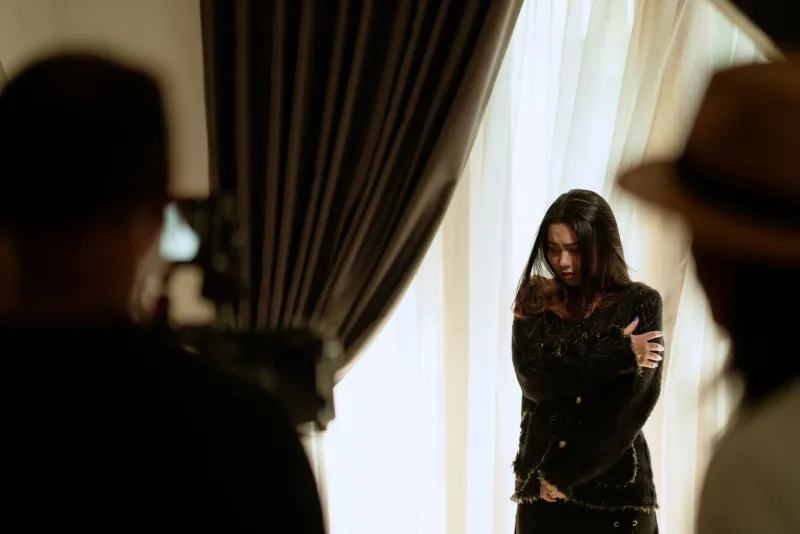
What followed was the rise of what you could fairly call the authenticity industrial complex. Reality TV producers, talent agencies, brand consultants, and social media strategists all converged on a single goal — creating content that looks like it wasn't created at all. Budgets ballooned. Entire campaign strategies were built around the illusion of spontaneity. The word "organic" started appearing in PowerPoint decks next to line items that ran into the millions.
This isn't a niche problem. It's the dominant mode of entertainment marketing right now. You see it in athlete partnership deals where the "candid" locker room video was shot on a Tuesday afternoon with three lighting rigs. You see it in celebrity cooking segments where the "mess" was placed by a prop coordinator. You see it in brand-sponsored reality TV arcs where a contestant's emotional breakdown conveniently aligns with a product integration.
When the Setup Gets Exposed
The campaigns that backfire hardest aren't the ones that fail on their own terms — they're the ones where the scaffolding becomes visible.
Remember the wave of "surprise fan experience" videos that flooded YouTube in the early 2020s? An athlete shows up at a kid's house, cameras are already rolling, tears are shed, the brand logo appears in the corner. Heartwarming, right? Until people started noticing that the lighting was suspiciously good for a "surprise," the family seemed oddly camera-ready, and the kid's bedroom happened to prominently display the sponsor's product. Comment sections turned fast. The backlash wasn't just that the moment was staged — it was that the staging felt like a lie wrapped in a child's emotion.
Or look at the string of "unfiltered" celebrity social media takeovers that turned out to have been scripted by brand copywriters. When that gets leaked — and it always gets leaked — it doesn't just damage the campaign. It damages the celebrity's credibility and the brand's relationship with its audience simultaneously. You've essentially paid a premium to create a trust deficit.
The pattern is consistent: audiences don't just reject the fake moment. They retroactively question every moment that came before it.
The Athlete Controversy Machine
Sports is where this gets genuinely uncomfortable. There's a growing cottage industry around what you might call "orchestrated controversy" — minor athlete provocations, edgy takes, or manufactured feuds that are actually coordinated with brand teams to generate engagement and keep a name trending.
It works, at least in the short term. A basketball player posts something mildly provocative, the internet reacts, the player's name is everywhere for 48 hours, and the sneaker or energy drink they're partnered with sees a traffic spike. Clean, efficient, and almost completely fake.
The problem is that athletes are real people with real careers, and playing fast and loose with public perception for a brand's quarterly numbers can have lasting consequences. When the controversy isn't carefully managed — or when it escalates beyond what anyone planned — the athlete absorbs the damage while the brand quietly distances itself. The risk is asymmetric in a way that most of these deals don't acknowledge upfront.
Why Audiences Keep Falling For It (And Why They're Stopping)
Here's the complicated truth: manufactured authenticity works often enough that brands keep doing it. People want to believe in genuine connection. They want to feel like their favorite athlete actually uses that protein powder, that the celebrity actually shops at that store, that the emotional moment in that ad is real. There's a psychological willingness to meet the content halfway.
But that willingness is eroding. Gen Z audiences in particular have developed what amounts to a professional-grade radar for sponsored moments. They've grown up online. They know what a product integration looks like. They can spot the timing of a "spontaneous" post that drops the day before a product launch. And when they call it out, they do it loudly and publicly, which tends to accelerate the unraveling.
The brands that are actually winning the authenticity game — and there are some — have figured out something counterintuitive: real moments are cheaper to create than fake ones if you're willing to wait for them. Partnering with an athlete or entertainer over a long enough timeline means actual genuine moments will happen. A real reaction to a product. A real conversation that happens to be captured. A real community connection that doesn't need a storyboard.
What Genuine Looks Like When It's Not Performed
The most resonant brand moments of the last few years have almost universally been ones that didn't feel like they were trying. A postgame locker room clip that happened to feature a product naturally. A podcast conversation between two athletes that wandered into real territory. A social media post that went up at 11pm because the person actually felt like posting it, not because a content calendar said to.
None of those moments required a production budget. They required trust — trust that the audience would show up if the content was real, and trust that the talent involved didn't need to be managed into a performance.
That's the actual tax being paid here. Not the millions spent on the campaign itself, but the ongoing cost of eroded trust that comes with every exposure. Audiences have a long memory for feeling manipulated, and in the age of screenshots and receipts, nothing stays buried.
Brands that figure out how to step back and let genuine moments breathe will always outperform the ones paying a production crew to fake the same thing. The math isn't complicated. The execution, apparently, is.