Your Favorite Twitch Streamer Called the Trade Before ESPN Did — And That's a Real Problem for Sports Media
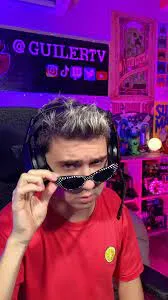
Photo: guilertv, CC BY-SA 4.0, via Wikimedia Commons
It happened again last summer. A mid-season NBA trade broke while half of Twitter was watching a popular sports streamer react to a game live on Twitch. Before the ESPN chyron had been updated, before the verified beat reporters had finished typing, the streamer had already read the notification out loud, gone on a five-minute rant about the implications, and watched their viewer count spike by 40,000 people. The clip hit TikTok within the hour. By the time SportsCenter led with the story, the internet had already moved on to the next thing.
This is the new normal in sports media. And if you're working at a legacy network right now, it should keep you up at night.
Speed Is the New Credential
Traditional sports journalism has always run on access and authority. You got the scoop because you had the source. You had the credibility because you'd been doing it for twenty years and your face was on television. Those things still matter — but they matter less than they used to when a 24-year-old with a ring light and a Discord server can aggregate and react to breaking news faster than any cable network's production team can move.
The sports media ecosystem has fundamentally changed. Platforms like Twitter/X, TikTok, and YouTube have democratized commentary to the point where the barrier to entry is basically zero. You don't need a press credential or a studio. You need a phone, an opinion, and enough charisma to hold someone's attention for 90 seconds.
Content creators like Adin Ross, iShowSpeed, and a growing number of sports-specific streamers have built massive audiences by being present, loud, and unfiltered — three things that institutional media structurally can't be. ESPN has lawyers, compliance teams, and broadcast standards. A streamer has a hot take and a live comment section egging them on.
The Parasocial Advantage
Here's what traditional sports media still doesn't fully understand about why these creators are winning: it's not just about speed. It's about relationship.
When you watch SportsCenter, you're receiving information from an anchor. When you watch your favorite sports streamer, you're hanging out with someone. You know their opinions, their team loyalties, their running jokes. You've been watching them react to games for two years. That parasocial bond creates a kind of trust and loyalty that no amount of production value can replicate.
YouTubers like Darius Miles (not the former NBA player — there are several prominent sports commentary creators using similar names in this space) or channels built around fantasy sports and game film breakdown have audiences that rival regional sports networks. And their viewers are younger, more engaged, and spending more time with that content than they are with linear television.
The comment section during a live stream is also doing something broadcast TV simply cannot do — it's creating a communal experience in real time. Fans are talking to each other, reacting together, and building inside jokes around moments as they happen. That's the digital equivalent of watching a game at a sports bar, and it's available anywhere with a Wi-Fi connection.
The Viral Moment Problem
Let's talk about a specific pattern that's been playing out over and over. A wild sports moment happens — a buzzer beater, a brawl, an unexpected injury, a postgame meltdown. Within minutes, it's clipped and posted across social platforms. Sports creators are already reacting and adding context. By the time a network show addresses the moment, the cultural conversation has already peaked and started to cool.
This played out visibly with several NFL moments in the 2023 season, where fan-shot footage and streamer reactions were circulating for hours before official broadcast coverage provided any real analysis. The same happened with a handful of viral MLB confrontations that exploded on TikTok before a single sports talk show weighed in.
The issue isn't that legacy networks are slow — it's that their entire infrastructure is built for a different pace. Live shows have rundowns. Analysis segments need to be booked. Guests need to be coordinated. A creator sitting alone in their bedroom has none of those constraints.
What ESPN and Friends Are Doing About It
To be fair, traditional sports media isn't just sitting still watching this happen. ESPN has made significant investments in its social presence, and their YouTube channel is genuinely one of the better legacy media adaptations out there. They've also brought in personalities who have digital fluency — people who understand how online sports culture actually talks.
Fox Sports and Bleacher Report have leaned into short-form content. Bleacher Report in particular has built a social-first identity that resonates with younger fans in ways that its cable programming sometimes doesn't.
But there's a tension here that's hard to resolve. The tone and style that works on Twitch — unfiltered, sometimes chaotic, deeply personal — doesn't translate cleanly to a broadcast format that still has to serve multiple demographics and answer to advertisers. The streamers who are winning right now are winning because they don't have to make those compromises.
The Bigger Shift
What we're really watching is a redistribution of sports media authority. For decades, a small number of networks and personalities controlled how sports stories got told, who got the platform, and what the dominant narratives were. That control is eroding — not because the networks are doing a bad job, but because the audience now has options they didn't have before.
Younger sports fans are growing up in an environment where their first instinct after a big game moment is to open TikTok or check their favorite streamer's reaction, not flip to ESPN. That's a habit that's going to be very hard to break as this generation gets older.
For sports media professionals — and honestly, for anyone who cares about how sports stories get told in this country — the Twitch-to-TikTok pipeline isn't a novelty anymore. It's competition. Real competition. And the gap between the two worlds is closing faster than most legacy executives are willing to admit.