Fallen Stars and Second Acts: The Science of Celebrity Redemption

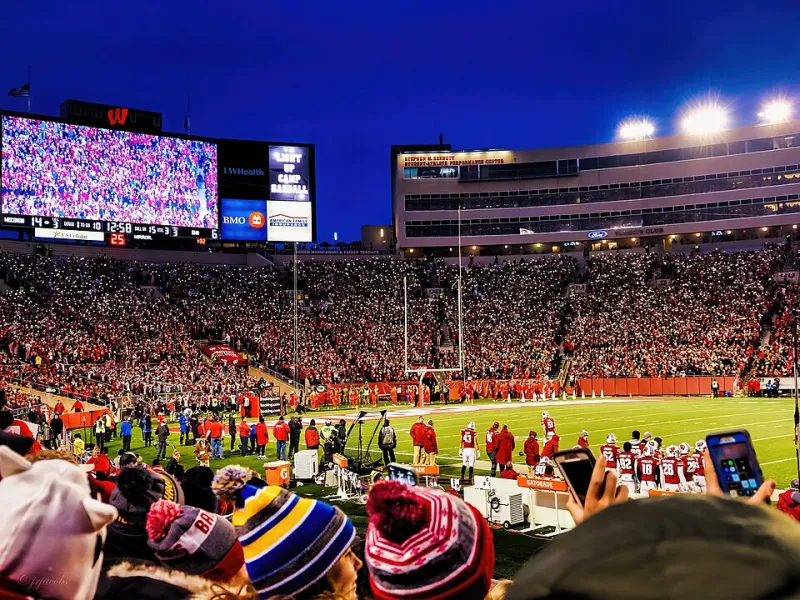
Photo: Dwaine Nicholls at English Wikipedia, Public domain, via Wikimedia Commons
There's something almost irresistible about a comeback. Americans, in particular, have a cultural obsession with the second act — the underdog who claws their way back, the disgraced hero who earns their stripes all over again. Hollywood didn't invent this narrative, but it sure has perfected it. And over the past ten years, we've watched some genuinely jaw-dropping career resurrections unfold in real time.
But here's the question worth asking: are audiences actually forgiving these celebrities, or do we just have the collective memory of a goldfish?
The Anatomy of a Public Meltdown
First, let's set the scene. A celebrity scandal — whether it's a leaked video, a courtroom drama, a social media implosion, or allegations of serious misconduct — hits differently depending on the era. In the pre-Twitter world, a star might have had months to quietly regroup. Today, the internet compresses that timeline into hours. The pile-on is faster, louder, and more relentless than ever.
Yet somehow, despite the digital permanence of everything, careers keep bouncing back. Robert Downey Jr. is probably the gold standard here — his mid-'90s spiral into addiction and legal trouble looked like a career death sentence at the time. What followed was one of the most methodical image rehabilitations in Hollywood history, culminating in him literally becoming the face of the highest-grossing movie franchise on the planet. That's not luck. That's a playbook.
The Redemption Playbook: What Actually Works
After studying a decade's worth of celebrity rebounds, a few recurring strategies become pretty obvious.
Accountability (Real or Perceived) The first move is almost always a public acknowledgment of wrongdoing. Notice the word "perceived" there, because the sincerity of these moments is often debatable. But audiences respond to contrition — even if skeptics roll their eyes. A well-timed interview with a sympathetic host, a tearful social media post, or a carefully worded statement through a publicist can shift the narrative surprisingly fast.
Strategic Silence Counter-intuitively, disappearing for a while works. Constant media presence during a scandal keeps the wound open. Taking a step back — sometimes forced, sometimes voluntary — allows the news cycle to churn through a dozen other controversies. By the time the celebrity resurfaces, the public appetite for punishment has often dulled.
The Right Project at the Right Moment This is where the rubber meets the road. A comeback vehicle has to be carefully chosen. It needs to be good enough to remind people why they liked this person in the first place, but not so prestigious that it feels tone-deaf. Mel Gibson's return to directing with Hacksaw Ridge is a textbook example — a war film about heroism and sacrifice that quietly asked audiences to separate the art from the artist.
Leaning Into the Narrative Some celebrities flip the script entirely and make their downfall part of their brand. Matthew McConaughey spent years being mocked for his rom-com run before engineering what critics literally called the "McConaissance" — a string of gritty, serious roles that reframed his entire career. He didn't just survive the jokes; he weaponized them.
Box Office and the Forgiveness Economy
Here's where it gets interesting from a business standpoint. Studios aren't in the forgiveness business — they're in the profit business. When they greenlight a project featuring a controversial star, they're making a calculated bet that the audience's curiosity (or nostalgia, or loyalty) will outweigh the PR risk.
And more often than not, they're right. Controversial releases frequently outperform expectations precisely because the controversy drives conversation. There's a perverse marketing logic to scandal: people who want to see the film show up, and people who want to protest it generate free press. Either way, the movie gets talked about.
The data backs this up. Several films featuring stars who were considered "cancelled" in the years prior have gone on to strong box office performances — not in spite of the backstory, but partially because of it.
Short Memory or Genuine Forgiveness?
So which is it — are we actually forgiving, or just forgetful?
Honestly, it's probably both, depending on the offense. Audiences seem genuinely willing to extend grace for personal failings — addiction, messy relationships, even erratic behavior — especially when the celebrity shows visible growth. But allegations of harm toward others, particularly those involving power imbalances, tend to stick longer and harder. The careers that haven't recovered in the past decade largely fall into that second category.
There's also a generational split worth noting. Younger audiences, who grew up with social media accountability culture, tend to hold longer grudges — at least publicly. Older demographics are often more willing to separate a person's professional output from their personal conduct.
What This Means for the Industry
For studios, talent agencies, and PR firms, the celebrity redemption arc has essentially become its own genre. There are consultants who specialize in exactly this kind of image rehabilitation. There are timelines, benchmarks, and media strategies built around it.
For the rest of us watching from the outside, it's a fascinating window into how fame, morality, and commerce intersect in America. We love building people up. We love tearing them down. And apparently, we really love watching them climb back.
The comeback story isn't going anywhere. If anything, the faster the internet burns someone, the faster the conditions are set for their return. Hollywood figured that out a long time ago — they're just getting better at engineering the whole cycle.
And if history is any guide, the next big comeback is probably already in the works. We just don't know whose it is yet.