Mic'd Up and Cashing Out: How Athletes Are Running Their Own Media Game Now
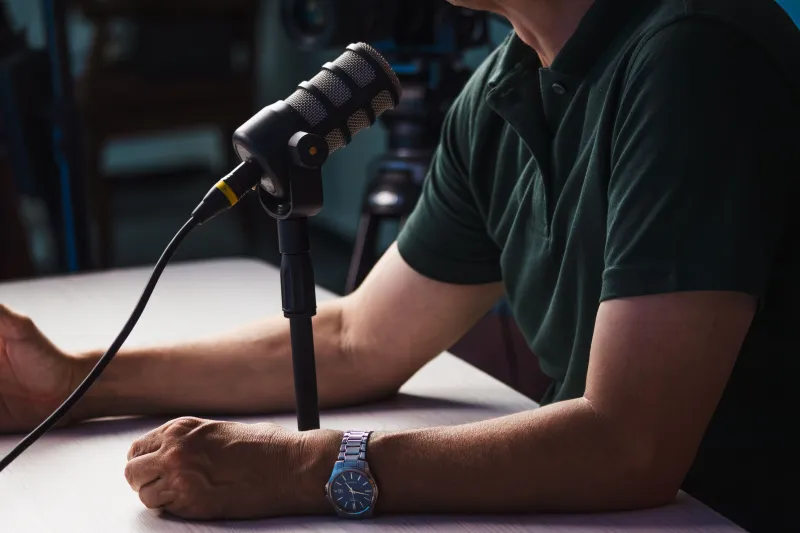
Photo: athlete recording podcast in studio with microphone, via images.pexels.com
For decades, the script was pretty straightforward. You play, you retire, you maybe land a color commentary gig if a network likes your face. The league controls the narrative, the broadcast partners distribute it, and the athlete — the actual person people tuned in to watch — gets a fraction of the credit and even less of the money.
That script? It's getting shredded in real time.
Right now, some of the most compelling sports content in the country isn't coming from ESPN or Fox Sports. It's dropping on Tuesday mornings from a converted guest bedroom somewhere in Los Angeles or Atlanta, hosted by a guy who was suiting up for an NFL game six months ago. Athletes have figured out that podcasting isn't just a hobby or a vanity project. It's a full-blown media business — and they don't need anyone's permission to run it.
The Access Problem Nobody's Talking About
Here's what traditional sports media has always sold: access. The locker room interview, the post-game presser, the exclusive sit-down. The idea was that fans needed broadcasters as middlemen to get close to the athletes they loved.
But athletes caught on. They are the access. Why hand that over to a network that's going to edit it down to ninety seconds and frame it however fits their narrative? When JJ Redick launched his podcast before he ever became a head coach, he wasn't just sharing basketball opinions — he was demonstrating that a player could build a loyal, educated audience without a single ESPN chyron. The show felt different because it was different. No fluff, no forced takes for ratings, just genuine conversation between people who actually understood the game at a high level.
That authenticity is the product. And it turns out, people will pay for it — through subscriptions, through Patreon tiers, through merchandise, and through sponsorship deals that athletes are now negotiating directly.
Case Studies in the New Media Hustle
Let's talk specifics, because the numbers here are hard to ignore.
Pat McAfee turned a punter's career into a media empire that eventually landed a deal with ESPN worth a reported $85 million. Before that deal, though, McAfee had already built something ESPN couldn't replicate — a raw, unfiltered audience that trusted him because he'd never played the corporate game. He went from YouTube streams to a full studio setup, all while the leagues and networks were still trying to figure out what he was doing.
Then there's the wave of NBA players who've used podcasting as a soft launch for broader media careers. Draymond Green's show has generated more genuine controversy and conversation than most professional sports talk programs combined — not because he's trying to be provocative for clicks, but because he's speaking from a place of real experience and doesn't have a producer in his ear telling him to stay in his lane.
And it's not just the big names. Mid-tier athletes — guys who had solid careers but never became household names — are finding that podcasting gives them cultural relevance they never had during their playing days. A former offensive lineman talking through film breakdowns can pull a dedicated audience of fifty thousand listeners who will buy every sponsor product he mentions. That's a business. A real one.
Why Leagues Are Scrambling
Here's where it gets interesting from a media strategy standpoint. Leagues like the NFL and NBA have spent years cultivating relationships with broadcast partners, carefully managing how their sport is presented to the public. Athlete podcasts throw a wrench into that entire system.
When a current player goes on a podcast — their own or someone else's — and starts talking candidly about officiating, front office decisions, or player treatment, the league has almost no mechanism to stop it. The old tools don't apply. You can't pull a press credential from someone who doesn't need one. You can't control the message when the messenger owns the platform.
Some leagues have tried to get ahead of this by launching their own podcast networks, partnering with athletes to create official content. But there's a fundamental tension there — official content rarely feels real, and audiences can tell the difference. A podcast that's been approved by a communications department isn't going to produce the same energy as one where the host is genuinely saying what they think.
The smarter play, which a few leagues are slowly figuring out, is to stop fighting it and start treating athlete-owned media as a feature rather than a threat. When players build massive audiences, that's marketing the league can't buy.
The Talent Management Shift Nobody Saw Coming
This whole movement is quietly reshaping how athlete representation works, too. Sports agents who used to focus almost entirely on contract negotiations and endorsement deals are now being asked to think like entertainment managers and media producers.
An athlete with a top-twenty sports podcast isn't just an athlete anymore. They're a media personality with intellectual property, a brand, and a revenue stream that exists completely outside their playing contract. That changes the negotiating dynamic in interesting ways. A player who has built financial independence through their media business has more leverage in contract talks. They're not desperate. They've got options.
Agencies are starting to hire people with podcast production backgrounds, social media strategy experience, and content development chops. The lines between sports representation and entertainment management are blurring fast.
What This Means Going Forward
The podcast pivot isn't a trend that's going to fade when the next shiny thing comes along. It's a structural change in how athletes relate to their audiences, how they build wealth, and how sports stories get told.
The athletes who are winning right now are the ones who understood early that their playing career was the beginning of their platform, not the whole thing. The mic doesn't go off when the jersey comes off. If anything, that's when the real conversation starts.
Leagues, networks, and agents who treat this as a side hustle athletes do for fun are going to keep getting surprised. The athletes already figured out the game. Now everyone else is just catching up.