Behind the Scenes Is the New Front Row: How Sports Docs Are Crushing It While Streaming Fumbles Live Games

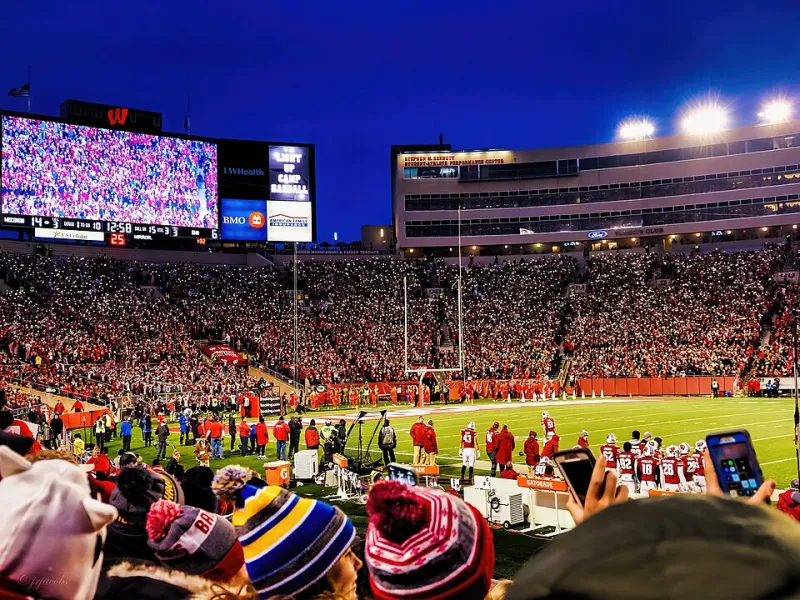
Photo: Jóhannes Jónsson, CC BY-SA 4.0, via Wikimedia Commons
There's something almost ironic about the current state of sports on streaming. The biggest platforms in the world — Netflix, Disney+, Amazon Prime — have collectively spent billions chasing the sports audience. And in one very specific lane, they've absolutely nailed it. In another? They're still standing on the outside looking in.
Sports documentaries and limited series are on a legitimate hot streak right now. Meanwhile, live game rights remain locked up in a complicated web of legacy deals that keeps streamers largely out of the conversation. So how did we end up in a world where you can binge six episodes about an F1 driver's mental breakdown but can't watch the actual race without a cable login?
The Doc That Changed Everything
Let's go back to 2019. Netflix dropped Drive to Survive, a behind-the-scenes look at the Formula 1 season, and almost overnight, American audiences who had never cared about F1 suddenly had opinions about Max Verstappen. The show didn't just document a sport — it manufactured drama, built characters, and gave casual fans a reason to care. F1's US viewership numbers jumped significantly in the years that followed. That's not a coincidence.
Then came The Last Dance in 2020, which aired on ESPN but had the kind of binge-worthy structure you'd expect from a streaming original. Ninety-nine million viewers across the ten episodes. People who weren't even alive when Michael Jordan was playing were glued to their screens. The documentary format had officially cracked the code on sports storytelling.
Amazon followed up with Quarterback in 2023, giving fans locker room access to Patrick Mahomes, Kirk Cousins, and Marcus Mariota. Netflix countered with Full Swing for golf and Break Point for tennis. Suddenly, every major sport had a behind-the-curtain series either in production or on the way.
Why Binge Works When Broadcast Doesn't
Here's the thing about live sports: they require commitment. A three-hour NFL game on a Thursday night is a significant ask, especially for younger viewers who've grown up choosing exactly what they want to watch and when. The algorithm doesn't care about kickoff time.
Documentaries, on the other hand, fit perfectly into how streaming audiences already consume content. You watch one episode, you're hooked, you watch three more. The parasocial connection you build with athletes through these series is often stronger than what you'd develop watching them play in real time. You know their families. You know their insecurities. You've seen them cry in a hotel room after a tough loss. That's a different kind of fan investment.
For streamers, the math also just works better. A documentary series costs a fraction of what live rights go for. The NFL's current broadcasting deals are worth billions annually. Amazon did land Thursday Night Football, which is notable, but that's one package out of many — and even that came with massive price tags and mixed early reviews from traditional football fans.
The Rights Problem Isn't Going Away
Live sports broadcasting rights are essentially controlled by decades-old relationships between leagues and legacy networks. NBC, CBS, Fox, and ESPN have built their entire business models around live sports. They're not giving that up without a fight, and the leagues aren't exactly in a rush to abandon the guaranteed money those deals provide.
Netflix made a big move by landing NFL Christmas Day games starting in 2024, and their WWE deal signals they're serious about live content. But these are incremental steps, not a full takeover. The reality is that most major live sports — the Super Bowl, the NBA Finals, March Madness — are still living on traditional television, and that's not changing in the next few years.
This creates a fascinating split. Streamers are winning the story of sports while networks keep the event of sports. And depending on what kind of fan you are, that distinction matters a lot.
What This Means for the Sports Fan
For casual fans, streaming documentaries might actually be enough. If you're not a die-hard who needs to watch every game, a well-produced series can give you all the emotional payoff of following a team or athlete without the time commitment. Streamers have figured out how to manufacture fandom from scratch — just ask anyone who got obsessed with F1 after Drive to Survive who couldn't have named a single driver in 2018.
For hardcore fans, the fragmentation is frustrating. Between cable packages, streaming subscriptions, and league-specific apps, following your favorite sport across a full season requires a spreadsheet and a decent-sized monthly budget.
But here's the bigger picture: the documentary boom is changing how leagues think about their own content strategy. The NBA, NFL, and even NASCAR are now treating behind-the-scenes access as a legitimate asset — something to be negotiated, packaged, and sold. That's a direct result of what Netflix and others have proven is possible.
The Road Ahead
Streaming platforms are going to keep investing in sports documentaries because the return on investment is undeniable. They're also going to keep chasing live rights, picking them up piece by piece as legacy deals expire and leagues look for new revenue streams.
The interesting question isn't whether Netflix will eventually have more live sports — it will. The question is whether the documentary format continues to grow alongside live coverage, or whether it loses some of its appeal once streaming becomes just another place to watch games.
For now, though, the blind spot is real. Streamers have mastered the art of making you care about sports you'd never otherwise watch. Getting you to watch those sports live? That's still a work in progress.